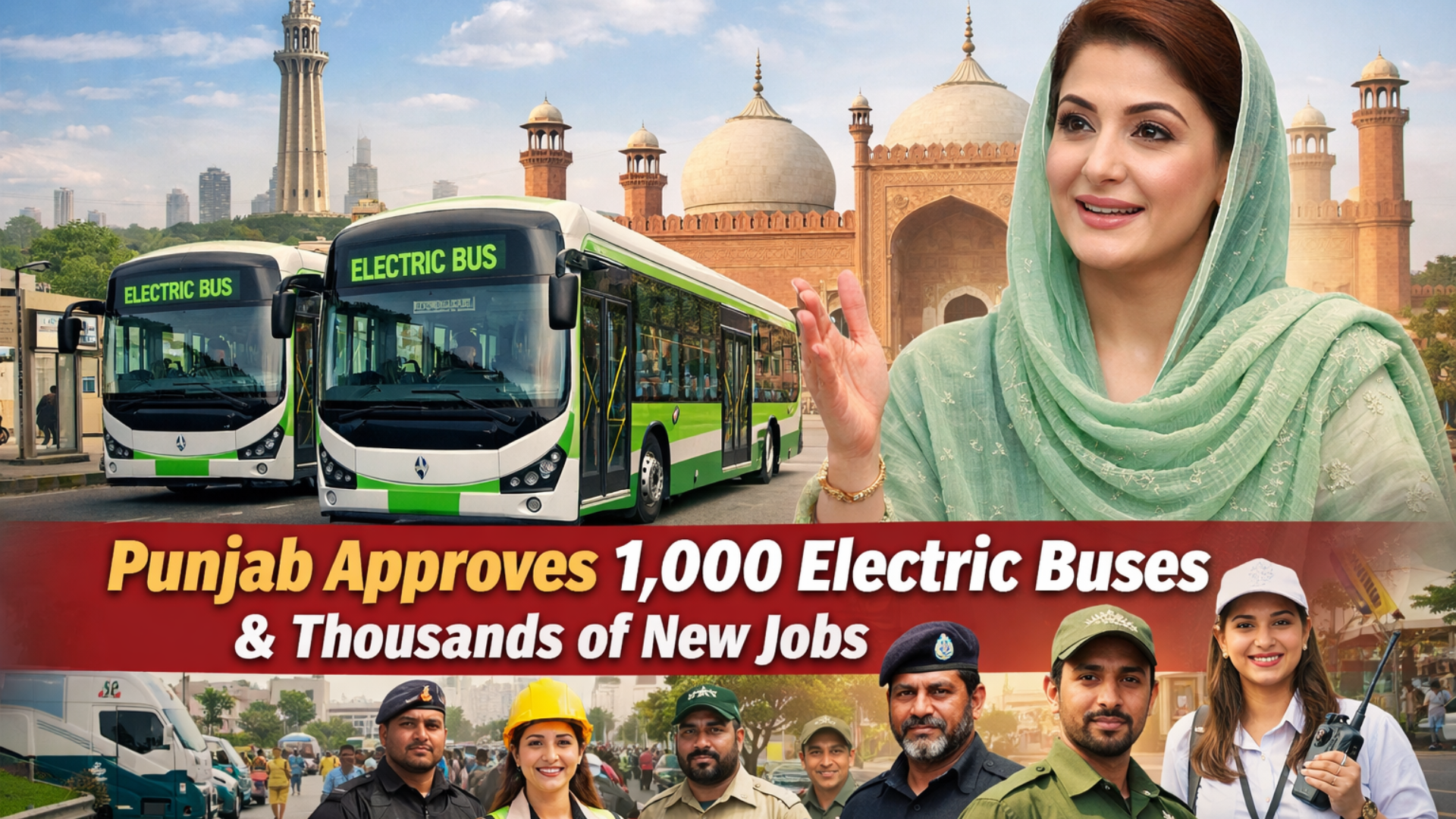

Punjab Govt Approves 1,000 Electric Buses and Thousands of New Jobs. The Punjab government has approved a major development package aimed at improving public transport, creating employment, strengthening agriculture, and expanding health and education services across the province.
The decisions were taken during the 32nd meeting of the provincial cabinet, chaired by Maryam Nawaz Sharif, who described the approvals as a clear roadmap for inclusive and people-centred development.
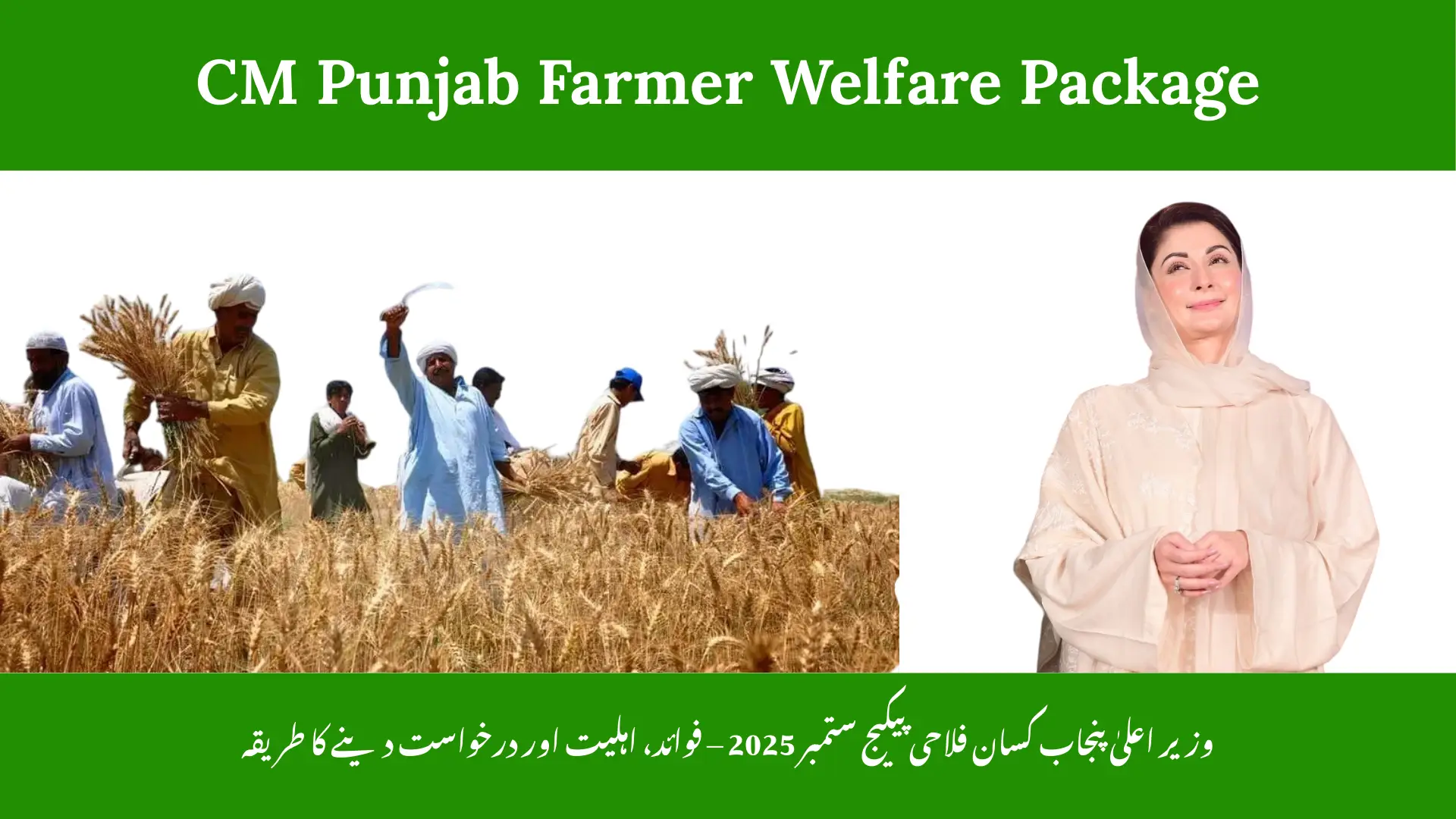
Punjab Cabinet Unveils “Apna Khet, Apna Rozgar” Program
One of the most significant approvals was the launch of the “Apna Khet, Apna Rozgar” initiative.
Under this program, state-owned agricultural land will be distributed for cultivation to create sustainable livelihoods.
The chief minister directed authorities to immediately allocate government land to 50,000 people, stressing that public land should be used to support ordinary citizens rather than benefit elite groups.
This move is expected to boost agricultural productivity while reducing unemployment in rural areas.

1,000 Electric Buses Approved to Strengthen Public Transport
To improve urban and rural mobility, the cabinet approved the procurement of 1,000 green electric buses across Punjab.
These buses will:
- Reduce fuel costs
- Lower air pollution
- Improve daily commuting for citizens
The cabinet also approved the expansion of electric bus services to the tehsil level, ensuring smaller cities and towns gain access to modern public transport.
Cashless Fare System to Start From March 25
The Punjab government also approved a cashless fare payment system for electric buses, starting March 25.

Key features include:
- Digital payment for smoother travel
- Faster boarding times
- Higher fares for cash payments, encouraging digital use
This step aligns with the government’s push toward transparency and modern transport systems.
Thousands of New Government Jobs Approved
In a major boost to employment, the cabinet approved large-scale recruitment across multiple departments.
Approved Job Positions Include:
- 216 constables in excise and narcotics departments
- 1,000 positions in the Crime Control Department
- 980 tourism police posts
Recruitment restrictions in the tourism and heritage departments were also relaxed to support sector growth.

Tourism and Culture Development Across Punjab
To promote tourism beyond traditional locations, the cabinet directed:
- Horse and cattle shows in all districts
- Development of new tourist destinations outside Murree
This move aims to highlight Punjab’s cultural diversity and generate local employment through tourism.
Improved Law and Order Using Technology
Officials briefed the cabinet on major security gains, including:
- Surrender of 141 dacoits in riverine areas
- Successful recovery of abducted individuals
- Use of advanced surveillance technology to combat crime
These steps reflect increased reliance on technology-based policing.
Major Education and Welfare Reforms Approved
The cabinet also approved several education and welfare initiatives:
- Amendments to the School Management Council policy
- Establishment of the University of the Punjab’s Potohar Campus in Gujar Khan
- Increase in travel allowance for para-veterinary staff
Legal approval was also granted for payments under the Imam Masjid Honorarium Program, supporting religious service providers.
Healthcare Sector Gets Strong Boost
Significant decisions were taken to strengthen healthcare services across Punjab, including approval for:
- Procurement of new ventilators
- Continuation of specialised healthcare staff
- Greater autonomy for medical institutions
The cabinet also approved the launch of:

- Chief Minister Cardiac Surgery Program
- Chief Minister Cancer Patient Program
These initiatives aim to improve access to life-saving treatment for low-income patients.
Wide-Ranging Legislative and Financial Measures
Beyond sector-specific reforms, the cabinet approved multiple legislative, administrative, and financial measures related to:
- Taxation reforms
- Women’s rights
- Disaster management
- Policing and agriculture
- Social protection programs
The cabinet also approved subsidies for electric bus services and funding for:
- Surveillance systems
- Food safety initiatives
- Welfare and protection programs
Maryam Nawaz: Development Must Reach Every Citizen
Addressing the cabinet meeting, Maryam Nawaz Sharif said the government’s goal is to ensure that facilities and opportunities reach citizens from cities to villages.
She described the approved measures as people-centric, inclusive, and focused on long-term development, adding that public resources must directly improve everyday life for ordinary Pakistanis.
Conclusion
The Punjab cabinet’s approval of 1,000 electric buses, large-scale job creation, agricultural land distribution, and expanded health and education services marks one of the most comprehensive policy packages in recent years.
With a focus on clean transport, employment, rural development, and social welfare, the Punjab government aims to deliver balanced growth across the province — from major cities to remote rural areas.