
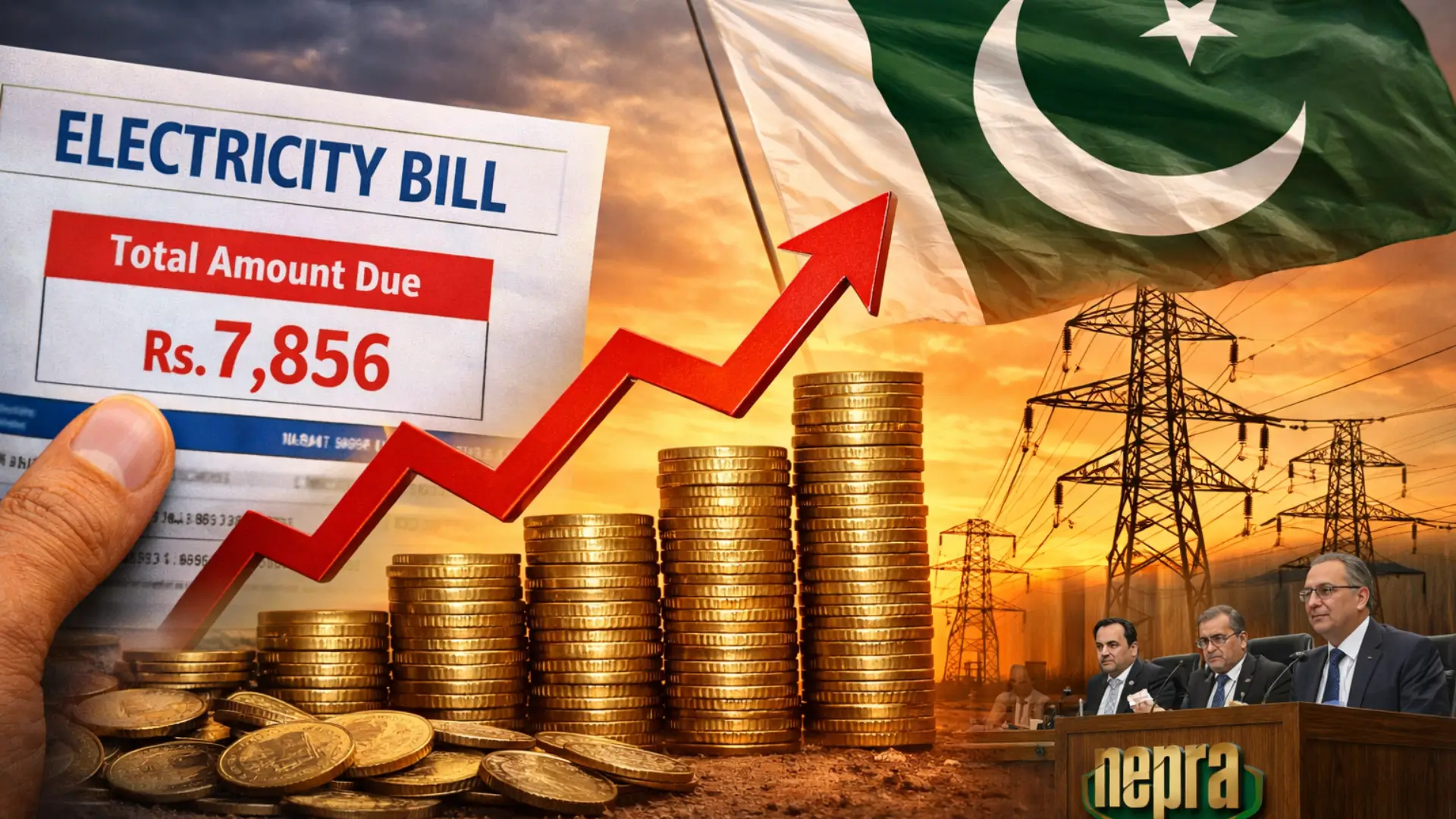

Electricity Prices Likely to Rise Again. Electricity prices in Pakistan are likely to increase once again. This possible rise has caused concern among households and businesses. Many people are already struggling with high utility bills and inflation. Another increase can further disturb monthly budgets.
Proposed Increase Under Fuel Price Adjustment
According to reports, electricity prices may increase by Rs. 0.48 per unit for one month. This increase is being proposed under the monthly fuel price adjustment mechanism. This system allows electricity prices to change based on the cost of fuel used for power generation.
CPPA Request Submitted to NEPRA
The Central Power Purchasing Agency has filed a request with the National Electric Power Regulatory Authority seeking a tariff increase for December. NEPRA is responsible for reviewing such requests and will hold a public hearing before making a final decision.

Electricity Generation and Supply in December
In December, Pakistan generated a total of 8.487 billion units of electricity. Out of this amount, around 8.208 billion units were supplied to distribution companies. The remaining units were lost due to transmission and system inefficiencies.
Average Cost of Electricity
The average cost of electricity during December was recorded at Rs. 9.62 per unit. This cost reflects the prices of different fuels used to generate electricity and plays a key role in determining consumer tariffs.

Breakdown of Energy Sources
Hydropower contributed 18.07 percent of total electricity generation during the month. Local coal accounted for 13.99 percent, while imported coal contributed 10.13 percent. Imported fuels are generally more expensive due to foreign exchange payments.
Role of Gas and LNG in Power Generation
Electricity generation from natural gas stood at 11.20 percent. Imported LNG contributed 17.24 percent of total electricity production. LNG prices are influenced by global markets, which makes electricity costs more volatile.

Nuclear Energy’s Largest Contribution
Nuclear power provided the largest share of electricity in December, contributing 25.05 percent of total generation. Nuclear energy is considered more stable and cost-effective compared to imported fuel sources.
Possible Impact on Electricity Bills
If NEPRA approves the proposed adjustment, consumers will see higher electricity bills for one month. Even a small increase per unit can significantly affect households that consume more electricity.

Impact on Households and Businesses
Rising electricity prices place extra pressure on households, especially low-income families. Businesses also face higher operating costs, which can lead to increased prices of goods and services for consumers.
Dependence on Imported Fuel
Pakistan’s reliance on imported fuel remains a major reason for rising electricity prices. Any increase in fuel prices or depreciation of the rupee directly increases power generation costs.

Need for Long-Term Energy Solutions
Experts believe Pakistan needs long-term energy planning to control electricity costs. Expanding local energy sources such as hydropower, solar, and wind can help reduce dependence on expensive imported fuel.
Conclusion
Electricity prices in Pakistan are expected to rise again due to fuel cost adjustments. The proposed Rs. 0.48 per unit increase may seem small, but it adds to the financial burden of consumers. Sustainable energy solutions and better planning are necessary to provide long-term relief to the public.