
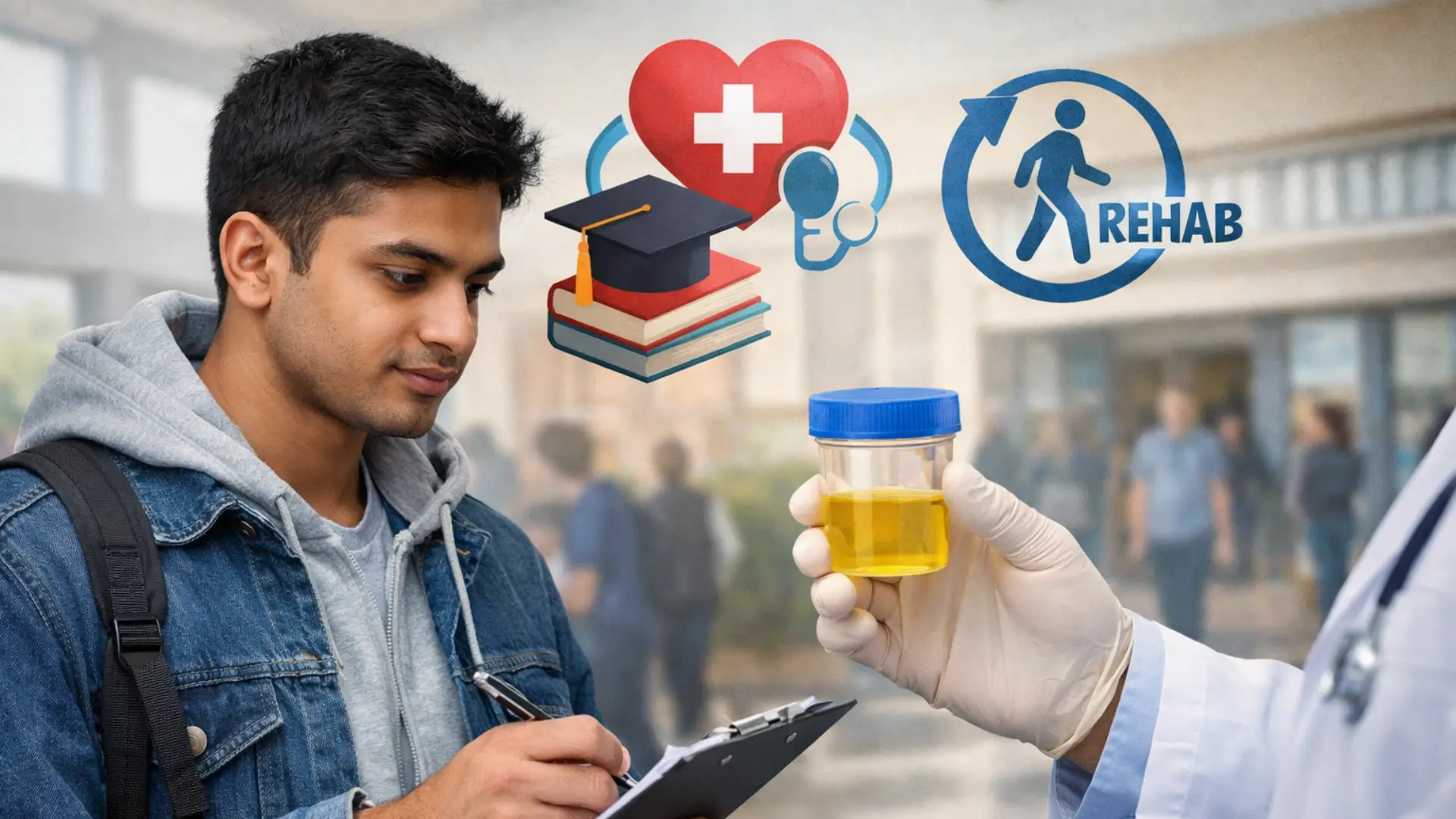

New Bill Proposes Voluntary Drug Testing for Students. Drug use among students is a growing concern in many countries, including Pakistan. Schools, colleges, and universities are not just places for education. They are also places where young people shape their future. When drugs enter these spaces, they can damage health, learning, and lives. To deal with this issue, the National Assembly Standing Committee on Interior has discussed a new bill. This bill focuses on voluntary drug testing for students. Its goal is prevention, care, and recovery rather than punishment.
Background of the Proposed Bill
The bill was introduced by Sahar Kamran, a member of the Pakistan Peoples Party. It aims to address drug use in educational institutions in a humane way. Instead of blaming or punishing students, the bill promotes help, guidance, and treatment. The proposal recognizes that drug addiction is a health issue, not just a discipline problem.
The discussion took place in the National Assembly Standing Committee on Interior, where lawmakers reviewed the bill’s purpose and structure. Many members agreed that students need support systems, not fear.
Amendment to the Control of Narcotic Substances Act
The proposed law suggests changes to the Control of Narcotic Substances Act, 1997. Three new sections would be added to the act. These sections are 53A, 53B, and 53C. Each section focuses on student welfare, mental health, and prevention of drug abuse in schools and higher education institutions.
These amendments are designed to modernize the law. They align it with current health-based approaches used around the world.
Section 53A: Voluntary Drug Testing for Admission
Section 53A is one of the most discussed parts of the bill. Under this section, students applying for admission to higher secondary or higher education institutions may voluntarily take a drug test. This means the test is optional. No student can be forced.

The drug screening would be non-invasive. Non-invasive means no harm to the body. For example, it may involve urine or saliva tests instead of painful procedures. This makes the process safer and less stressful for students.
Consent and Medical Privacy
A key feature of the bill is written and informed consent. Drug testing can only happen if the student fully understands the process and agrees in writing. This protects student rights and privacy.
Testing can only be done by accredited medical institutions. These are approved hospitals or labs that follow medical standards. This rule prevents misuse, fake testing, or unqualified handling of sensitive information.
Positive Test Does Not Mean Rejection
One of the most important points in the bill is fairness. A positive drug test alone cannot be used to deny admission. This is a major shift from punishment to support.
If a student tests positive, the institution cannot reject them automatically. Instead, the student will receive a confidential medical assessment. Confidential means private. No public disclosure is allowed.

With the student’s consent, they may be guided toward rehabilitation or recovery programs. This approach helps students heal rather than suffer lifelong consequences.
Free Counseling and Rehabilitation Services
The bill places responsibility on the government. If a student needs help, the government must provide counseling, rehabilitation, and mental health services free of cost. This is crucial because many families cannot afford private treatment.
Think of it like a safety net. If a student falls into trouble, the system helps them stand up again. This support can change lives and reduce long-term addiction problems.
Section 53B: Student Counselors in Institutions
Section 53B focuses on prevention and awareness. Under this section, all public and private educational institutions must appoint at least one trained faculty or staff member as a student counselor.
A student counselor acts like a guide. Just like a trusted elder in a family, the counselor listens, advises, and helps students make better choices.

Role of the Student Counselor
The counselor’s job is not limited to drug issues. They will raise awareness about:
- Harmful effects of drug use
- Addiction and dependency
- Mental health problems like stress and anxiety
By educating students early, institutions can prevent problems before they grow bigger.
Confidential Support Systems on Campus
The bill also requires institutions to create confidential support systems. Students should feel safe asking for help. Fear of shame or punishment often stops young people from speaking up.
With these systems in place, students can seek help quietly and respectfully. Institutions must also work with health departments to provide mental health services on campus.
Focus on Mental Health and Recovery
A strong point of this bill is its focus on mental health. Many students turn to drugs due to stress, pressure, or emotional pain. Exams, family issues, and financial problems can affect mental well-being.

By offering counseling and mental health care, the bill treats the root cause, not just the symptom. This is similar to fixing a leaking roof instead of just wiping the water on the floor.
Shift from Punishment to Treatment
Traditionally, drug policies focus on punishment. This bill takes a different path. It treats students as individuals who need care. The idea is simple. Helping a student recover is better than destroying their future.
This approach also reduces stigma. When students know they will not be punished, they are more likely to seek help early.
Impact on Educational Institutions
If passed, the bill will change how schools and colleges operate. Institutions will need training programs for counselors. They will also need partnerships with medical and rehabilitation centers.
Although this requires effort, the long-term benefits are strong. Healthier students perform better academically and contribute positively to society.

Public and Political Response
The bill has sparked discussion among parents, teachers, and lawmakers. Many see it as a positive step. Others stress the need for strict data protection and proper implementation.
Similar supportive approaches have been used in other reforms, such as decisions recently upheld by the Federal Constitution Court, which emphasized lawful and balanced governance. The same balance is expected here.
Conclusion
The proposed bill on voluntary drug testing for students is a thoughtful and humane initiative. It focuses on prevention, care, and mental health rather than fear and punishment. By amending the Control of Narcotic Substances Act, 1997, the bill introduces a modern approach to student welfare.
If implemented properly, it can create safer educational environments. It can help students recover, learn, and grow without stigma. Most importantly, it sends a clear message. Education systems should protect students, not push them away.