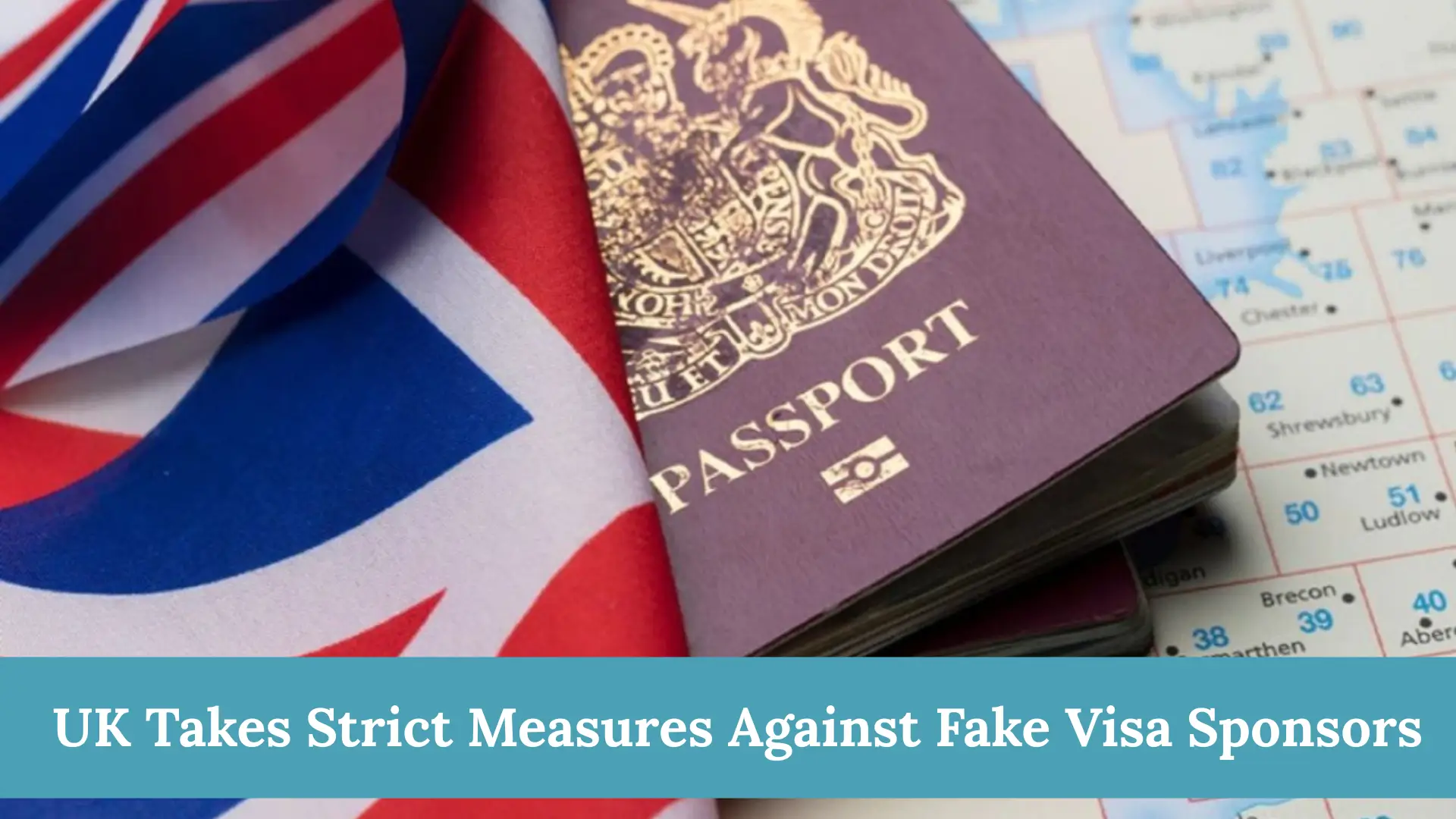

UK Takes Strict Measures Against Fake Visa. The United Kingdom has announced strict enforcement actions against employers involved in fraudulent visa sponsorship schemes, according to recent reports from British media. This move comes in response to a significant increase in cases involving fake visa sponsorships, which have reportedly risen fivefold in recent years.
Authorities are emphasizing that employers found violating immigration laws may face bans on hiring foreign workers, sending a clear message about the seriousness of adhering to the country’s immigration regulations.
Rising Cases of Fake Visa Sponsorship
Over the past few years, the UK has seen a rapid increase in fraudulent visa sponsorship cases, which has prompted the government to implement stricter measures. Investigations revealed that some employers were exploiting the visa system to hire overseas workers without following proper procedures, often putting the workers and the country’s immigration integrity at risk.
The UK Home Office has stated that tackling these fraudulent activities is a priority to maintain the credibility and fairness of the visa sponsorship system.

Measures Against Non-Compliant Employers
Under the new enforcement policies, employers who fail to comply with immigration laws may face severe penalties, including:
- Temporary or permanent bans on recruiting foreign workers
- Legal and financial penalties for violating immigration regulations
- Increased scrutiny and audits from immigration authorities
The authorities have stressed that these measures are part of a broader effort to protect the integrity of the UK’s immigration system and prevent exploitation of foreign workers.
Enhanced Oversight and Monitoring
The UK government has tightened oversight of visa sponsorship practices to prevent abuse and ensure compliance. Officials are now conducting more frequent inspections and audits of businesses that hire international employees, ensuring that proper documentation and legal procedures are followed.

This proactive approach is aimed at reducing fraudulent activities and ensuring that only legitimate employers can sponsor foreign workers under the visa program.
New Rules for Dual Nationals
In a related development, the UK has introduced new entry regulations for dual nationals, which will take effect on Wednesday, February 25, 2026.
Under these rules:

- Individuals holding dual citizenship but without a British passport may be denied entry into the UK
- Dual nationals must obtain either a visa, a British passport, or a Certificate of Entitlement to enter the country
- Those entering without a British passport must also secure an Electronic Travel Authorization (ETA) or a Certificate of Entitlement
These measures are intended to clarify entry requirements for dual nationals and ensure that proper documentation is presented before travel.
Electronic Travel Authorization (ETA) for Short Visits
Travelers using an ETA to enter the UK will be allowed to stay for up to six months. This option is specifically designed for individuals visiting the country for tourism or to meet family members.
Authorities have emphasized that the ETA system is part of a broader strategy to streamline entry for legitimate travelers while preventing misuse of visa exemptions.

Government Response and Intent
The recent policy changes reflect the UK government’s commitment to enhanced immigration enforcement. Officials have highlighted that these measures aim to:
- Prevent fraudulent use of visa sponsorships
- Ensure that only qualified employers can recruit foreign workers
- Strengthen immigration rules for dual nationals
- Protect the integrity of the UK’s immigration and border systems
By imposing stricter regulations and introducing new entry requirements, the UK government seeks to address the rising cases of visa fraud while maintaining a fair and transparent immigration process.
Impact on Employers and Workers
Employers in the UK are being urged to review their hiring practices carefully and ensure full compliance with immigration laws. Any violation could lead to serious consequences, including restrictions on future recruitment and potential legal action.

For overseas workers, these changes highlight the importance of verifying the legitimacy of visa sponsors. Only applications submitted by authorized employers will be accepted, ensuring a safer and more secure immigration process.
Conclusion
The United Kingdom’s tough stance on fake visa sponsorship and updated regulations for dual nationals mark a significant shift in immigration enforcement. With stricter oversight, potential bans on non-compliant employers, and the introduction of ETAs and Certificates of Entitlement, the government aims to curb fraudulent practices and safeguard the visa sponsorship system.